
Table of Contents
Wae Rebo Tour: How to Reach the Traditional Village in the Clouds
The sound of the wind through high-altitude rainforests is the only alarm clock you will hear in Wae Rebo. This isolated village in Flores, Indonesia, sits 1,200 meters above sea level, hidden by thick clouds and deep mountain valleys. You cannot reach it by car or motorbike. Instead, you reach it by walking for hours through the dense jungle. Taking a Wae Rebo tour forces you to slow down and connect with a way of life that has stayed the same for hundreds of years. The effort you put into the hike prepares you for the stillness you find at the top.
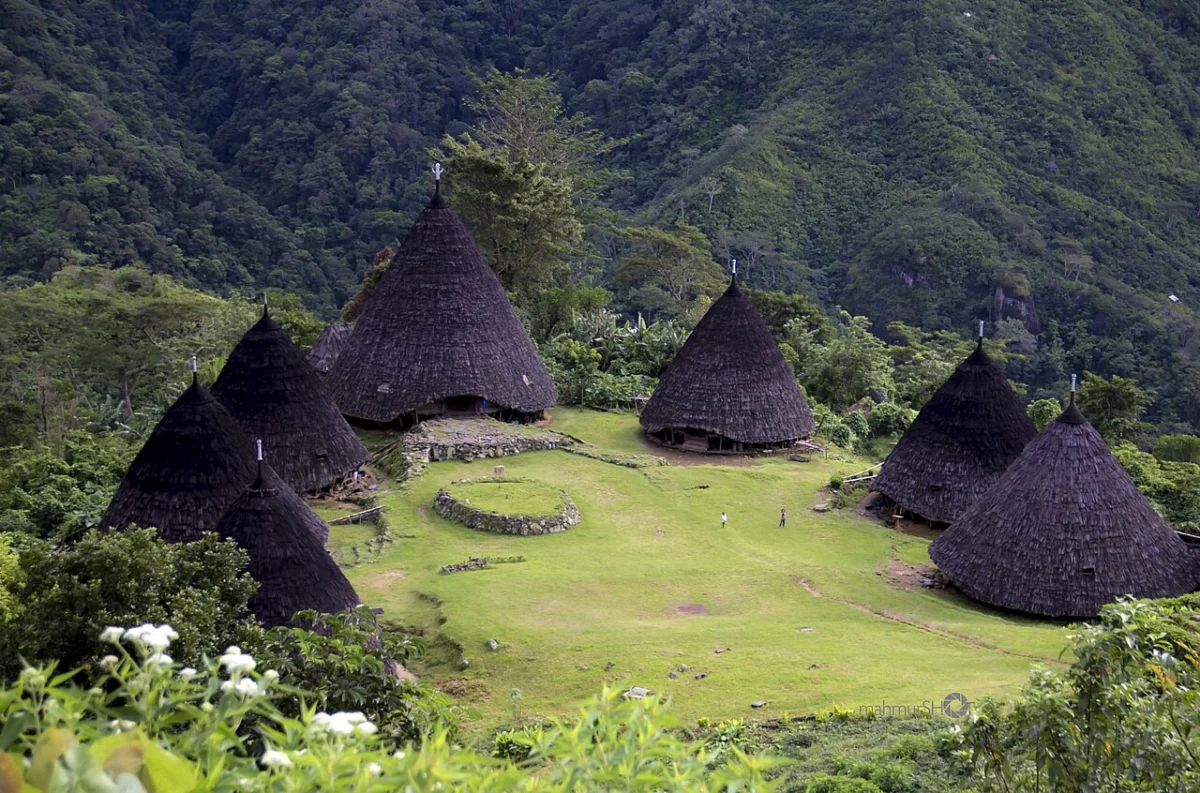
The village is famous for its Mbaru Niang houses, which look like giant, wooden cones rising from the grass. When you arrive, the modern world feels miles away. This experience offers more than just pretty photos; it provides a look at a community that values balance, family, and tradition. If you want to see a side of Indonesia that few travelers witness, this trek belongs on your list.
Planning Your Wae Rebo Tour
Reaching the village takes time and planning. Most visitors start their trip in Labuan Bajo, the main hub on Flores Island. From there, you must travel to the village of Denge, which serves as the official trailhead. This road trip takes about six hours and winds through dramatic mountain passes. You can hire a private driver or join a group tour to make this part easier. Once you reach Denge, your actual trek begins. You will need a local guide to show you the trail, as the path cuts through dense forest and can be hard to follow if you are alone.
The walk from Denge to Wae Rebo usually takes about three to four hours. The path starts with a gentle walk but quickly turns into a steep climb. You will cross small rivers and walk along narrow, muddy trails cut into the side of the mountain. It is physically tiring, but the environment makes up for the effort. The forest is full of massive trees, colorful orchids, and the calls of exotic birds. You should prepare your legs for the incline and wear shoes with good grip. The damp mountain air keeps the trail slick, even when it is not raining.
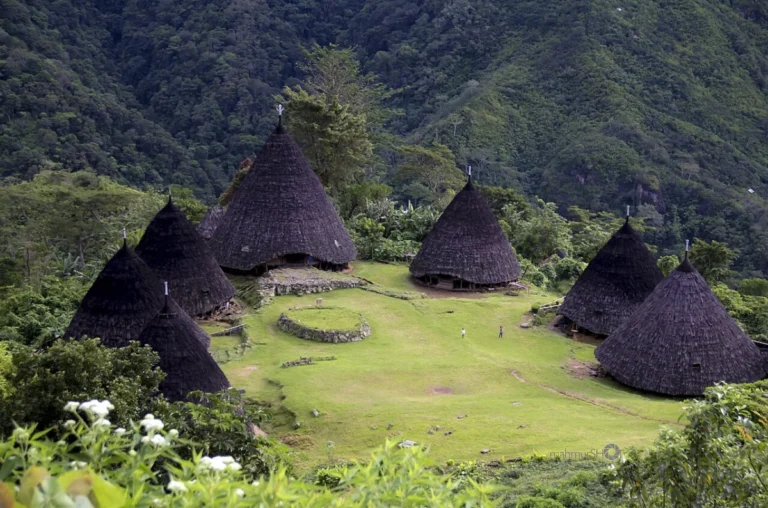
The magic of the arrival is worth every bead of sweat. As you clear the final ridge, the village appears suddenly against a backdrop of steep, green slopes. You see the cluster of cone-shaped huts sitting in a natural amphitheater. The sight of the village, silent and peaceful, often leaves visitors speechless. It feels like entering a different century. The cool mountain air hits your face, and the sounds of the jungle fade into the quiet murmurs of village life.
Life in the Mbaru Niang Houses
The architecture in Wae Rebo is a masterclass in local design. The Mbaru Niang houses are not just homes; they are symbols of the Manggaraian people. Each house is built with a circular base made of wood and bamboo. A tall, conical roof made of palm thatch covers the structure. These homes have five floors, each serving a specific purpose for the families living inside. The ground floor is for daily living, while the higher levels are used to store grain, seeds, and heirlooms.
Families do not live in these houses alone. Each Mbaru Niang accommodates several families, creating a communal living space. They share the cooking, the chores, and the sleeping quarters. This setup strengthens the bond between villagers and ensures that everyone supports one another. The center of each house holds a hearth where the fire never goes out. This fire is essential for cooking, warmth, and drying out the thatch to prevent rot. The layout of the house and the village itself follows strict traditional rules, which keep the community spirit strong.
Conservation efforts are now a priority for this site. UNESCO recognized Wae Rebo for its outstanding heritage value, helping to bring funding and awareness to the village. Local leaders work hard to maintain the houses, replacing the thatch and wood as they age. By keeping these traditions alive, they ensure that the next generation knows how to build and maintain these iconic structures. The village serves as a living museum, but it is not a performance. The people living there continue to follow their ancient customs every day.
Connecting with Manggaraian Traditions
When you first arrive, you will participate in a welcome ceremony. This tradition shows respect for the ancestors who protect the village. A village elder will offer a prayer and invite you to share a meal or a drink, often local coffee. You should follow the lead of your guide during this time. Accepting the coffee or a bit of betel nut is a sign of respect. This small interaction creates a bond between you and your hosts.
Daily life in Wae Rebo revolves around agriculture. The villagers grow high-quality coffee, which is their main source of income. You will likely see bags of coffee beans drying in the sun near the houses. Beyond farming, the people practice traditional weaving and craft making. If you want to engage in a meaningful way, watch how they work. Ask questions about the patterns in their cloth or how they grow their crops. Most of the time, they are happy to share their knowledge with respectful guests.
Cultural exchange works best when you keep things simple. Learn a few words in the local language, such as “tabe,” which means hello. When you walk around the village, ask for permission before taking photos of people or inside the houses. Respecting their privacy is crucial. Remember that this is their home, not a theme park. By observing their routines and showing genuine interest in their skills, you transform your visit from a standard vacation into a personal encounter.
Essential Tips for Your Wae Rebo Visit
Timing matters when you plan a trip to Flores. The best time for a Wae Rebo tour is during the dry season, which runs from April to October. Rain can make the trails treacherous and hide the views with thick fog. During the dry months, the skies stay clearer, and the trekking path is much safer. Avoid the peak rainy months of January and February if you want to ensure a dry hike.
Packing for a remote mountain village requires careful thought. You cannot run to a store if you forget something, so come prepared. Here are the items you should keep in your bag:
- Good hiking boots with strong traction for mud.
- A lightweight rain jacket or poncho.
- A headlamp with extra batteries for walking at night.
- A dry bag to keep your electronics safe from rain.
- Personal medical supplies like bandages and antiseptic.
- Modest clothing that covers your shoulders and knees.
Do not expect luxury when you arrive. You will sleep on mats inside one of the communal houses. The villagers provide blankets and basic bedding, but it can be cold at night. Meals are simple, consisting of rice, vegetables, and local coffee. If you have specific dietary needs, bring snacks that will not spoil. Remember that you are a guest in their space, so being self-sufficient is part of the experience.
Practicing Responsible Tourism in Wae Rebo
Your visit has an impact, so make it a positive one. The most basic rule is to leave no trace. Carry all your trash back down the mountain with you. The villagers do not have a trash collection system, and plastic waste ruins the beauty of their land. Avoid bringing single-use plastic bottles; bring a reusable one and fill it with boiled water provided by your hosts. Keep your noise level down, especially in the evening. This is a quiet, contemplative space, and the residents appreciate the peace.
Supporting the local economy is a great way to give back. Buy a bag of their famous coffee or a handmade souvenir directly from the villagers. These purchases go straight to the families. Before you leave, check if there is a recommended donation for the community fund. This money helps maintain the village and supports local school supplies. By being a mindful visitor, you help preserve this site for future travelers. Your presence should support their way of life, not change it.
The memories of the mist-laden mountains and the taste of fresh mountain coffee will stick with you long after you descend from the village. A Wae Rebo tour is more than just a hike; it is an invitation to witness a slower, more deliberate way of living. You gain a new perspective on how much we actually need to be happy. As you walk back down to the modern world, the silence of the village stays with you. It is a rare, quiet reminder of what humans can create when they work together and respect the land around them.